


• Advertising Based Video On Demand: The Future of Free Digital Streaming

    Advertising Based Video On Demand (AVOD) is rapidly emerging as a powerful model within the digital entertainment ecosystem, offering viewers access to video content at no direct subscription cost. Instead of paying monthly fees, audiences watch content supported by advertisements, making AVOD an attractive option for cost-conscious consumers. This model has gained momentum as streaming platforms seek to balance monetization with audience growth, while advertisers look for measurable, targeted ways to reach engaged viewers in a fragmented media landscape.

    Source - https://www.marketresearchfuture.com/reports/advertising-based-video-on-demand-market-29912

    The core strength of AVOD lies in its accessibility. By removing subscription barriers, AVOD platforms can reach a much broader audience compared to traditional subscription-based services. This inclusivity is especially appealing in emerging markets and among younger demographics who prefer free or low-cost entertainment options. Viewers are increasingly willing to trade a limited number of ads for access to high-quality movies, TV shows, and original content, reshaping long-held assumptions about paid-only streaming.

    From a business perspective, AVOD creates a diversified revenue stream for content owners and distributors. Instead of relying solely on subscriptions or transactional models, platforms can monetize through advertising impressions, sponsorships, and data-driven ad placements. Advanced analytics and viewer insights allow advertisers to deliver more relevant ads, improving engagement rates and return on investment. This targeted approach benefits brands while minimizing ad fatigue for users, making the overall viewing experience more sustainable.

    Technological advancements play a crucial role in the expansion of Advertising Based Video On Demand. Programmatic advertising, artificial intelligence, and real-time bidding enable dynamic ad insertion tailored to individual viewer profiles. These technologies ensure that ads are timely, personalized, and contextually relevant, which enhances effectiveness. At the same time, improvements in streaming quality, device compatibility, and user interfaces have elevated AVOD platforms to compete directly with premium streaming services.

    Advertising Based Video On Demand: The Future of Free Digital Streaming Advertising Based Video On Demand (AVOD) is rapidly emerging as a powerful model within the digital entertainment ecosystem, offering viewers access to video content at no direct subscription cost. Instead of paying monthly fees, audiences watch content supported by advertisements, making AVOD an attractive option for cost-conscious consumers. This model has gained momentum as streaming platforms seek to balance monetization with audience growth, while advertisers look for measurable, targeted ways to reach engaged viewers in a fragmented media landscape. Source - https://www.marketresearchfuture.com/reports/advertising-based-video-on-demand-market-29912 The core strength of AVOD lies in its accessibility. By removing subscription barriers, AVOD platforms can reach a much broader audience compared to traditional subscription-based services. This inclusivity is especially appealing in emerging markets and among younger demographics who prefer free or low-cost entertainment options. Viewers are increasingly willing to trade a limited number of ads for access to high-quality movies, TV shows, and original content, reshaping long-held assumptions about paid-only streaming. From a business perspective, AVOD creates a diversified revenue stream for content owners and distributors. Instead of relying solely on subscriptions or transactional models, platforms can monetize through advertising impressions, sponsorships, and data-driven ad placements. Advanced analytics and viewer insights allow advertisers to deliver more relevant ads, improving engagement rates and return on investment. This targeted approach benefits brands while minimizing ad fatigue for users, making the overall viewing experience more sustainable. Technological advancements play a crucial role in the expansion of Advertising Based Video On Demand. Programmatic advertising, artificial intelligence, and real-time bidding enable dynamic ad insertion tailored to individual viewer profiles. These technologies ensure that ads are timely, personalized, and contextually relevant, which enhances effectiveness. At the same time, improvements in streaming quality, device compatibility, and user interfaces have elevated AVOD platforms to compete directly with premium streaming services.
    WWW.MARKETRESEARCHFUTURE.COM
    Advertising Based Video On Demand Market Size 2035
    Advertising Based Video On Demand Market is Set to Grow USD 120.13 Billion By 2035, Reaching at a CAGR of 9.64% During 2025 - 2035 | Shapes Industry Growth innov
    0 Reacties 0 aandelen 176 Views 0 voorbeeld
  • 0 Reacties 0 aandelen 159 Views 0 voorbeeld
  • Big Data has become a buzzword in the business world, representing the vast volumes of data generated every second from various sources, including social media, transactions, and sensors. This explosion of data offers unprecedented opportunities for businesses to gain insights and make informed decisions. The significance of Big Data lies not just in its size but in its ability to provide deep insights through analytics. As organizations increasingly recognize the value of data-driven decision-making, the demand for business analytics tools and solutions has surged. This article explores the evolution of data analytics, the various types of analytics, and the transformative impact of Big Data on businesses.

    Historically, data analytics was limited to traditional methods that often relied on manual processes and static reports. However, with the advent of advanced technologies and the internet, businesses now have access to real-time data. This shift has led to the development of sophisticated analytical techniques, including predictive analytics, which uses historical data to forecast future trends. Moreover, the integration of artificial intelligence (AI) and machine learning into analytics has revolutionized how businesses interpret data. These technologies enable organizations to uncover patterns and correlations that were previously undetectable, providing a competitive edge.

    The importance of data-driven decision-making cannot be overstated. Companies that leverage Big Data analytics can optimize their operations, enhance customer experiences, and drive innovation. For instance, retailers can analyze consumer behavior to tailor marketing strategies, while manufacturers can use predictive maintenance to reduce downtime. As businesses continue to embrace Big Data, the role of data scientists and analysts has become increasingly critical, highlighting the need for skilled professionals who can navigate complex datasets and extract actionable insights.

    In conclusion, the rise of Big Data and business analytics represents a paradigm shift in how organizations operate. By harnessing the power of data, businesses can make informed decisions that drive growth and success in an increasingly competitive landscape. As we delve deeper into the various facets of the Big Data and analytics market, it becomes clear that this is just the beginning of a data-driven revolution.@https://www.marketresearchfuture.com/reports/big-data-and-business-analytics-market-28297
    Big Data has become a buzzword in the business world, representing the vast volumes of data generated every second from various sources, including social media, transactions, and sensors. This explosion of data offers unprecedented opportunities for businesses to gain insights and make informed decisions. The significance of Big Data lies not just in its size but in its ability to provide deep insights through analytics. As organizations increasingly recognize the value of data-driven decision-making, the demand for business analytics tools and solutions has surged. This article explores the evolution of data analytics, the various types of analytics, and the transformative impact of Big Data on businesses. Historically, data analytics was limited to traditional methods that often relied on manual processes and static reports. However, with the advent of advanced technologies and the internet, businesses now have access to real-time data. This shift has led to the development of sophisticated analytical techniques, including predictive analytics, which uses historical data to forecast future trends. Moreover, the integration of artificial intelligence (AI) and machine learning into analytics has revolutionized how businesses interpret data. These technologies enable organizations to uncover patterns and correlations that were previously undetectable, providing a competitive edge. The importance of data-driven decision-making cannot be overstated. Companies that leverage Big Data analytics can optimize their operations, enhance customer experiences, and drive innovation. For instance, retailers can analyze consumer behavior to tailor marketing strategies, while manufacturers can use predictive maintenance to reduce downtime. As businesses continue to embrace Big Data, the role of data scientists and analysts has become increasingly critical, highlighting the need for skilled professionals who can navigate complex datasets and extract actionable insights. In conclusion, the rise of Big Data and business analytics represents a paradigm shift in how organizations operate. By harnessing the power of data, businesses can make informed decisions that drive growth and success in an increasingly competitive landscape. As we delve deeper into the various facets of the Big Data and analytics market, it becomes clear that this is just the beginning of a data-driven revolution.@https://www.marketresearchfuture.com/reports/big-data-and-business-analytics-market-28297
    WWW.MARKETRESEARCHFUTURE.COM
    Big Data And Business Analytic Market Size, Share | 2035
    Big Data And Business Analytic Market is Estimated to Reach USD 870.65 Billion by 2035, Growing at a CAGR of 9.75% During 2025 - 2035
    0 Reacties 0 aandelen 164 Views 0 voorbeeld
  • Precision Forestry Market has become a cornerstone for modern forest management, combining advanced technologies such as drones, LiDAR, satellite imagery, GPS, and AI to revolutionize traditional practices. Forest owners and managers are increasingly turning to these solutions to optimize productivity, reduce operational costs, and support sustainable practices. The market growth is driven by rising global demand for wood products, the need for carbon sequestration monitoring, and initiatives aimed at preserving biodiversity.

    Precision forestry allows for precise monitoring of tree growth, species distribution, soil conditions, and canopy health. Unlike conventional forestry methods that rely heavily on manual measurements, this approach leverages digital data to make informed management decisions. Technologies such as drones and LiDAR provide accurate three-dimensional mapping, enabling managers to analyze tree height, crown density, and biomass across large tracts of land. This digital intelligence not only improves operational efficiency but also supports sustainability goals by minimizing environmental impact.

    A key driver of market growth is the need for efficient forest resource utilization. With increasing global population and demand for timber and biomass, forest managers must maximize yield while maintaining ecological balance. Precision forestry provides tools to achieve this by identifying optimal harvesting locations and reducing waste. Advanced analytics also enable predictive insights for reforestation, pest management, and wildfire risk mitigation, reducing both economic losses and environmental damage.

    The integration of artificial intelligence and big data analytics has further strengthened the market. AI algorithms analyze vast datasets collected from drones, satellites, and ground sensors to identify trends, detect disease outbreaks, and forecast growth patterns. Predictive modeling allows managers to make proactive decisions, increasing productivity and reducing risks. Furthermore, cloud-based platforms facilitate seamless sharing of forest data across teams, enabling collaborative management across regions.

    Regional adoption of precision forestry is uneven but expanding rapidly. North America leads due to technological advancement and significant forest resources. Europe is another major player, driven by strict environmental regulations and sustainable forestry certification programs. The Asia Pacific region is emerging as a high-growth market, with countries like China, Japan, and Australia investing heavily in digital forestry solutions to balance economic development with environmental protection. These regions recognize that precision forestry is critical to meeting both commercial and ecological objectives.

    Applications of precision forestry are diverse. Inventory management is more accurate than ever, allowing precise calculation of timber volume and biomass. Planning and logistics benefit from GPS-guided operations, reducing soil compaction and fuel consumption. Harvesting operations are optimized to maximize yield and minimize waste. Forest health monitoring detects early signs of disease or pest infestations, while carbon accounting tools provide data necessary for carbon markets and sustainability reporting. The convergence of these applications makes precision forestry a holistic solution for modern forest management.

    Challenges remain in market expansion, including high initial investment costs, integration of multiple technologies, and the need for skilled personnel. Small forest owners may find the upfront expense prohibitive, while remote areas may face connectivity issues for data transmission. Additionally, managing the large volume of geospatial and temporal data generated requires robust infrastructure. Despite these hurdles, ongoing advancements in affordable sensors, cloud computing, and AI are lowering entry barriers, encouraging broader adoption.@https://www.marketresearchfuture.com/reports/precision-forestry-market-31276
    Precision Forestry Market has become a cornerstone for modern forest management, combining advanced technologies such as drones, LiDAR, satellite imagery, GPS, and AI to revolutionize traditional practices. Forest owners and managers are increasingly turning to these solutions to optimize productivity, reduce operational costs, and support sustainable practices. The market growth is driven by rising global demand for wood products, the need for carbon sequestration monitoring, and initiatives aimed at preserving biodiversity. Precision forestry allows for precise monitoring of tree growth, species distribution, soil conditions, and canopy health. Unlike conventional forestry methods that rely heavily on manual measurements, this approach leverages digital data to make informed management decisions. Technologies such as drones and LiDAR provide accurate three-dimensional mapping, enabling managers to analyze tree height, crown density, and biomass across large tracts of land. This digital intelligence not only improves operational efficiency but also supports sustainability goals by minimizing environmental impact. A key driver of market growth is the need for efficient forest resource utilization. With increasing global population and demand for timber and biomass, forest managers must maximize yield while maintaining ecological balance. Precision forestry provides tools to achieve this by identifying optimal harvesting locations and reducing waste. Advanced analytics also enable predictive insights for reforestation, pest management, and wildfire risk mitigation, reducing both economic losses and environmental damage. The integration of artificial intelligence and big data analytics has further strengthened the market. AI algorithms analyze vast datasets collected from drones, satellites, and ground sensors to identify trends, detect disease outbreaks, and forecast growth patterns. Predictive modeling allows managers to make proactive decisions, increasing productivity and reducing risks. Furthermore, cloud-based platforms facilitate seamless sharing of forest data across teams, enabling collaborative management across regions. Regional adoption of precision forestry is uneven but expanding rapidly. North America leads due to technological advancement and significant forest resources. Europe is another major player, driven by strict environmental regulations and sustainable forestry certification programs. The Asia Pacific region is emerging as a high-growth market, with countries like China, Japan, and Australia investing heavily in digital forestry solutions to balance economic development with environmental protection. These regions recognize that precision forestry is critical to meeting both commercial and ecological objectives. Applications of precision forestry are diverse. Inventory management is more accurate than ever, allowing precise calculation of timber volume and biomass. Planning and logistics benefit from GPS-guided operations, reducing soil compaction and fuel consumption. Harvesting operations are optimized to maximize yield and minimize waste. Forest health monitoring detects early signs of disease or pest infestations, while carbon accounting tools provide data necessary for carbon markets and sustainability reporting. The convergence of these applications makes precision forestry a holistic solution for modern forest management. Challenges remain in market expansion, including high initial investment costs, integration of multiple technologies, and the need for skilled personnel. Small forest owners may find the upfront expense prohibitive, while remote areas may face connectivity issues for data transmission. Additionally, managing the large volume of geospatial and temporal data generated requires robust infrastructure. Despite these hurdles, ongoing advancements in affordable sensors, cloud computing, and AI are lowering entry barriers, encouraging broader adoption.@https://www.marketresearchfuture.com/reports/precision-forestry-market-31276
    WWW.MARKETRESEARCHFUTURE.COM
    Precision Forestry Market Size, Trends, Industry Analysis - 2035
    Precision Forestry Market is Estimated to Reach a Valuation of USD 52.04 Billion By 2035, Reaching at a CAGR of 9.87% During 2025 - 2035 | Powers Market Growth data
    0 Reacties 0 aandelen 162 Views 0 voorbeeld
  • 0 Reacties 0 aandelen 171 Views 0 voorbeeld
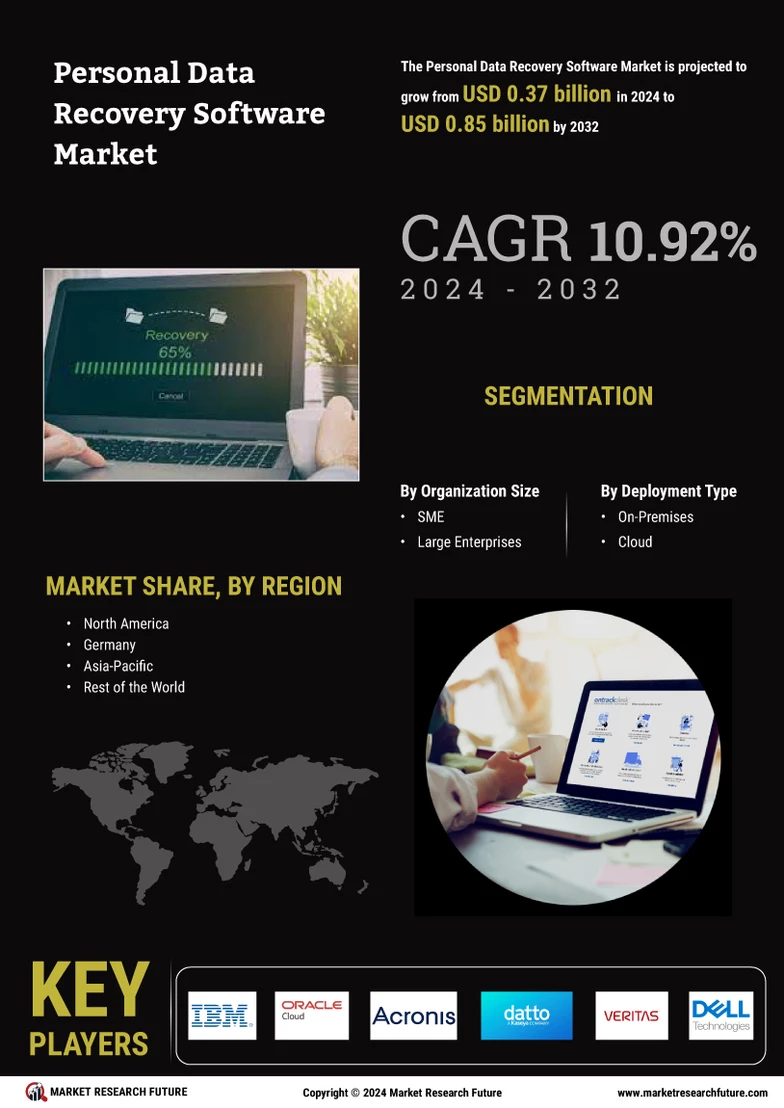
  • The Personal Data Recovery Software Market continues to grow as businesses and individuals recognize the critical need for reliable data recovery solutions. Adoption strategies play a crucial role in market expansion, helping vendors reach target audiences effectively and ensure customer satisfaction.

    Awareness campaigns are a key strategy. Educating users about the risks of data loss and the benefits of recovery software is essential to drive adoption. Vendors are increasingly investing in online tutorials, webinars, and interactive demos to demonstrate software capabilities and ease of use.@https://www.marketresearchfuture.com/reports/personal-data-recovery-software-market-11082
    The Personal Data Recovery Software Market continues to grow as businesses and individuals recognize the critical need for reliable data recovery solutions. Adoption strategies play a crucial role in market expansion, helping vendors reach target audiences effectively and ensure customer satisfaction. Awareness campaigns are a key strategy. Educating users about the risks of data loss and the benefits of recovery software is essential to drive adoption. Vendors are increasingly investing in online tutorials, webinars, and interactive demos to demonstrate software capabilities and ease of use.@https://www.marketresearchfuture.com/reports/personal-data-recovery-software-market-11082
    WWW.MARKETRESEARCHFUTURE.COM
    Personal Data Recovery Software Market Size, Forecast 2035
    Personal Data Recovery Software Market is Estimated to Grow USD 1.16 Billion by 2035, Reaching at a CAGR of 10.92% During 2025 - 2035 | Rising Digitalization
    0 Reacties 0 aandelen 154 Views 0 voorbeeld
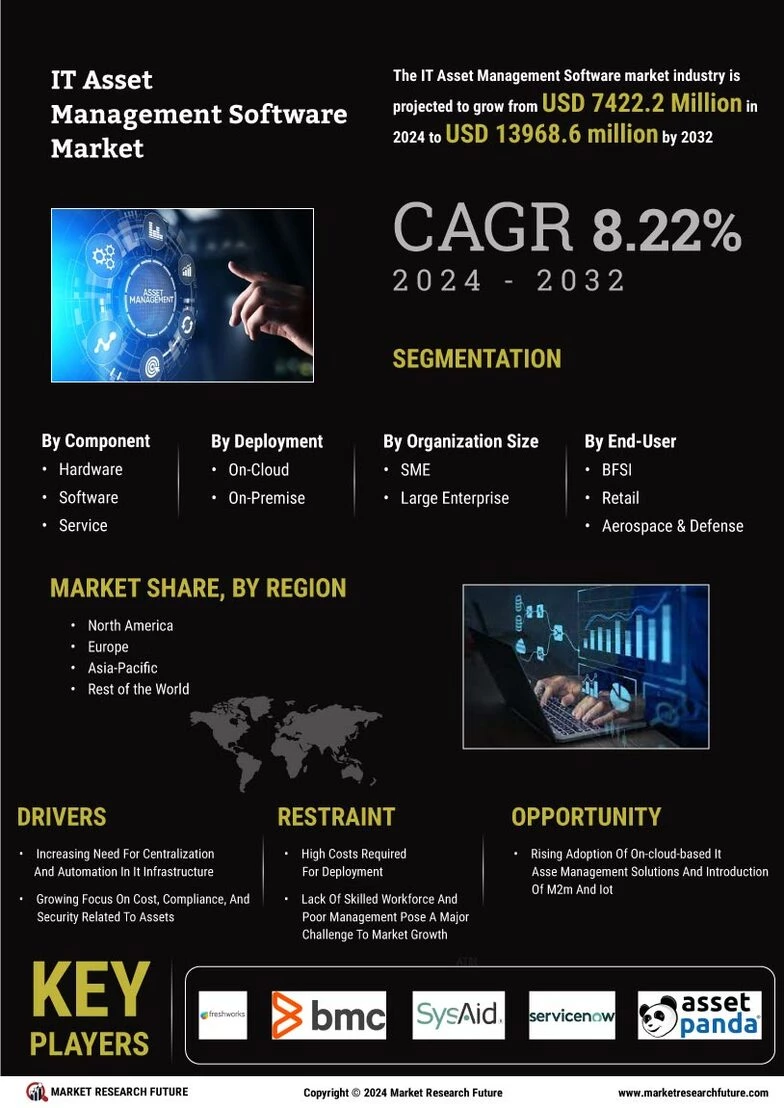
  • The IT Asset Management Software Market is expanding rapidly as organizations recognize the strategic benefits of comprehensive IT asset management. ITAM solutions provide a unified platform to track, monitor, and optimize hardware, software, and cloud assets, enabling businesses to improve operational efficiency, reduce costs, and maintain compliance. In today’s complex IT landscape, where enterprises operate hybrid environments and manage vast asset portfolios, ITAM software is essential for driving strategic decision-making and ensuring optimal resource utilization.

    One of the primary benefits of ITAM software is improved visibility into IT assets. Enterprises often struggle to monitor and manage thousands of devices, applications, and licenses manually. ITAM platforms automate asset discovery, tracking, and reporting, providing accurate, real-time insights into asset utilization and lifecycle. This enables IT teams to allocate resources efficiently, identify underutilized assets, and optimize investments, ultimately enhancing operational productivity and cost-effectiveness.

    Compliance and security are major factors fueling ITAM adoption. Organizations face stringent regulations regarding software licensing, data protection, and industry-specific standards. ITAM software simplifies compliance management by providing detailed records and audit-ready reports, reducing the risk of penalties. Integration with cybersecurity systems further strengthens IT governance by identifying vulnerabilities, managing patches, and preventing unauthorized access to sensitive assets.

    The integration of AI and predictive analytics is revolutionizing the ITAM market. Intelligent ITAM solutions can forecast hardware failures, license renewals, and resource inefficiencies, allowing proactive management. Cloud-based platforms also enhance flexibility, scalability, and accessibility, catering to the needs of both large enterprises and SMEs. This technological evolution ensures that ITAM solutions remain relevant and adaptable to changing business requirements.@https://www.marketresearchfuture.com/reports/it-asset-management-software-market-920
    The IT Asset Management Software Market is expanding rapidly as organizations recognize the strategic benefits of comprehensive IT asset management. ITAM solutions provide a unified platform to track, monitor, and optimize hardware, software, and cloud assets, enabling businesses to improve operational efficiency, reduce costs, and maintain compliance. In today’s complex IT landscape, where enterprises operate hybrid environments and manage vast asset portfolios, ITAM software is essential for driving strategic decision-making and ensuring optimal resource utilization. One of the primary benefits of ITAM software is improved visibility into IT assets. Enterprises often struggle to monitor and manage thousands of devices, applications, and licenses manually. ITAM platforms automate asset discovery, tracking, and reporting, providing accurate, real-time insights into asset utilization and lifecycle. This enables IT teams to allocate resources efficiently, identify underutilized assets, and optimize investments, ultimately enhancing operational productivity and cost-effectiveness. Compliance and security are major factors fueling ITAM adoption. Organizations face stringent regulations regarding software licensing, data protection, and industry-specific standards. ITAM software simplifies compliance management by providing detailed records and audit-ready reports, reducing the risk of penalties. Integration with cybersecurity systems further strengthens IT governance by identifying vulnerabilities, managing patches, and preventing unauthorized access to sensitive assets. The integration of AI and predictive analytics is revolutionizing the ITAM market. Intelligent ITAM solutions can forecast hardware failures, license renewals, and resource inefficiencies, allowing proactive management. Cloud-based platforms also enhance flexibility, scalability, and accessibility, catering to the needs of both large enterprises and SMEs. This technological evolution ensures that ITAM solutions remain relevant and adaptable to changing business requirements.@https://www.marketresearchfuture.com/reports/it-asset-management-software-market-920
    WWW.MARKETRESEARCHFUTURE.COM
    IT Asset Management Software Market Size, Trends - 2035
    IT Asset Management Software Market size is projected to grow USD 13968.6 Million by 2032, exhibiting a CAGR of 8.22% during the forecast period 2024 - 2032.
    0 Reacties 0 aandelen 158 Views 0 voorbeeld
  • 0 Reacties 0 aandelen 163 Views 0 voorbeeld
  • Key Developments and Trends in the Transformer Cooling System Market

    The Transformer Cooling System Market
    plays a critical role in ensuring the safe and efficient operation of electrical transformers across power generation, transmission, and distribution networks. As global electricity demand continues to rise, effective thermal management has become essential to enhance transformer lifespan, operational reliability, and energy efficiency.

    https://infinitymarketresearch.com/report/transformer-cooling-system-market/481


    1. Growing Demand for Reliable Power Infrastructure

    Rapid urbanization, industrial expansion, and increased electrification are driving investments in power infrastructure worldwide. Transformers operate under high thermal stress, and advanced cooling systems are essential to prevent overheating. This growing demand directly supports the expansion of the transformer cooling system market, particularly in regions modernizing aging electrical grids.

    2. Shift Toward Energy-Efficient Cooling Technologies

    Energy efficiency has become a top priority for utilities and industrial operators. Modern transformer cooling systems are designed to minimize power consumption while maintaining optimal temperature control. Improved oil-based cooling, forced air systems, and hybrid solutions are gaining traction as they help reduce operational losses and improve transformer performance.

    3. Integration of Smart Monitoring Solutions

    Digital monitoring and automation are increasingly being integrated into transformer cooling systems. Sensors and intelligent control units enable real-time temperature tracking, predictive maintenance, and early fault detection. These advancements reduce downtime and maintenance costs, making smart cooling solutions an important market trend.

    4. Expansion of Renewable Energy Projects

    The rapid deployment of renewable energy sources such as wind and solar power has created new requirements for transformers operating under variable load conditions. Efficient cooling systems help manage fluctuating thermal loads, ensuring stable performance. This trend is opening new growth opportunities for cooling system manufacturers catering to renewable energy applications.

    5. Emphasis on Environmental Safety and Compliance

    Environmental regulations are influencing the design of transformer cooling systems. There is a growing preference for eco-friendly insulating fluids and systems that minimize leakage and environmental impact. Manufacturers are focusing on safer, low-toxicity cooling materials to meet regulatory standards and sustainability goals.

    6. Upgrades and Replacement of Aging Transformers

    Many power grids around the world rely on aging transformer infrastructure. Retrofitting or replacing outdated cooling systems is a cost-effective way to extend transformer service life. This replacement demand is contributing steadily to market growth, especially in developed economies.

    7. Industrial and Commercial Sector Adoption

    Beyond utilities, industrial facilities and large commercial complexes rely heavily on transformers for uninterrupted power supply. High-load operations require efficient cooling solutions to maintain performance stability, driving adoption across diverse end-use industries.

    8. Regional Market Expansion

    Emerging economies are investing heavily in power transmission and distribution projects. These developments are increasing the demand for advanced transformer cooling systems that can operate reliably in challenging environmental conditions.

    Readers seeking more industry-specific insights and additional reports can visit Infinity Market Research
    .
    For the latest industry news and expert analysis, updates are available at:
    https://newsinnings.com/

    https://researcherdiaries.com/

    https://industrynewsdesk.com/

    https://smvinfotech.com/
    Key Developments and Trends in the Transformer Cooling System Market The Transformer Cooling System Market plays a critical role in ensuring the safe and efficient operation of electrical transformers across power generation, transmission, and distribution networks. As global electricity demand continues to rise, effective thermal management has become essential to enhance transformer lifespan, operational reliability, and energy efficiency. https://infinitymarketresearch.com/report/transformer-cooling-system-market/481 1. Growing Demand for Reliable Power Infrastructure Rapid urbanization, industrial expansion, and increased electrification are driving investments in power infrastructure worldwide. Transformers operate under high thermal stress, and advanced cooling systems are essential to prevent overheating. This growing demand directly supports the expansion of the transformer cooling system market, particularly in regions modernizing aging electrical grids. 2. Shift Toward Energy-Efficient Cooling Technologies Energy efficiency has become a top priority for utilities and industrial operators. Modern transformer cooling systems are designed to minimize power consumption while maintaining optimal temperature control. Improved oil-based cooling, forced air systems, and hybrid solutions are gaining traction as they help reduce operational losses and improve transformer performance. 3. Integration of Smart Monitoring Solutions Digital monitoring and automation are increasingly being integrated into transformer cooling systems. Sensors and intelligent control units enable real-time temperature tracking, predictive maintenance, and early fault detection. These advancements reduce downtime and maintenance costs, making smart cooling solutions an important market trend. 4. Expansion of Renewable Energy Projects The rapid deployment of renewable energy sources such as wind and solar power has created new requirements for transformers operating under variable load conditions. Efficient cooling systems help manage fluctuating thermal loads, ensuring stable performance. This trend is opening new growth opportunities for cooling system manufacturers catering to renewable energy applications. 5. Emphasis on Environmental Safety and Compliance Environmental regulations are influencing the design of transformer cooling systems. There is a growing preference for eco-friendly insulating fluids and systems that minimize leakage and environmental impact. Manufacturers are focusing on safer, low-toxicity cooling materials to meet regulatory standards and sustainability goals. 6. Upgrades and Replacement of Aging Transformers Many power grids around the world rely on aging transformer infrastructure. Retrofitting or replacing outdated cooling systems is a cost-effective way to extend transformer service life. This replacement demand is contributing steadily to market growth, especially in developed economies. 7. Industrial and Commercial Sector Adoption Beyond utilities, industrial facilities and large commercial complexes rely heavily on transformers for uninterrupted power supply. High-load operations require efficient cooling solutions to maintain performance stability, driving adoption across diverse end-use industries. 8. Regional Market Expansion Emerging economies are investing heavily in power transmission and distribution projects. These developments are increasing the demand for advanced transformer cooling systems that can operate reliably in challenging environmental conditions. Readers seeking more industry-specific insights and additional reports can visit Infinity Market Research . For the latest industry news and expert analysis, updates are available at: https://newsinnings.com/ https://researcherdiaries.com/ https://industrynewsdesk.com/ https://smvinfotech.com/
    0 Reacties 0 aandelen 163 Views 0 voorbeeld
  • Voice and Speech Recognition Software Market presents numerous investment opportunities as the technology continues to evolve and expand. Investors looking to capitalize on this growth must be aware of the key trends and sectors that are driving demand for voice recognition solutions.

    One of the most promising areas for investment is in startups focused on developing innovative voice recognition applications. Many new companies are emerging with unique solutions that cater to specific industries, such as healthcare, education, and customer service. These startups often leverage cutting-edge technologies, such as machine learning and natural language processing, to create tailored solutions that address the unique needs of their target markets. Investing in these companies can yield significant returns as they gain traction and expand their customer bases.

    Another opportunity lies in established companies that are enhancing their voice recognition capabilities. Major players in the technology sector are continually investing in research and development to improve their offerings. For instance, companies like Google and Amazon are incorporating advanced voice recognition features into their products, creating a competitive advantage. Investors can benefit from these developments by purchasing shares in these companies or seeking partnerships with them.

    The integration of voice recognition technology with other emerging technologies, such as artificial intelligence and the Internet of Things (IoT), also presents lucrative investment opportunities. As more devices become interconnected, the demand for seamless voice interaction will grow. Investors can explore opportunities in companies that specialize in developing voice-enabled IoT solutions, as this market is expected to expand rapidly.

    Furthermore, the increasing emphasis on accessibility and inclusivity in technology creates additional investment avenues. Companies focused on making voice recognition technology more accessible to individuals with disabilities are gaining traction. By supporting these initiatives, investors can contribute to social impact while also capitalizing on a growing market segment.

    In conclusion, the voice and speech recognition software market offers a wealth of investment opportunities across various sectors. By focusing on innovative startups, established companies enhancing their capabilities, and emerging technologies, investors can position themselves to benefit from the ongoing growth and evolution of this dynamic market.@https://www.marketresearchfuture.com/reports/voice-and-speech-recognition-software-market-33133
    Voice and Speech Recognition Software Market presents numerous investment opportunities as the technology continues to evolve and expand. Investors looking to capitalize on this growth must be aware of the key trends and sectors that are driving demand for voice recognition solutions. One of the most promising areas for investment is in startups focused on developing innovative voice recognition applications. Many new companies are emerging with unique solutions that cater to specific industries, such as healthcare, education, and customer service. These startups often leverage cutting-edge technologies, such as machine learning and natural language processing, to create tailored solutions that address the unique needs of their target markets. Investing in these companies can yield significant returns as they gain traction and expand their customer bases. Another opportunity lies in established companies that are enhancing their voice recognition capabilities. Major players in the technology sector are continually investing in research and development to improve their offerings. For instance, companies like Google and Amazon are incorporating advanced voice recognition features into their products, creating a competitive advantage. Investors can benefit from these developments by purchasing shares in these companies or seeking partnerships with them. The integration of voice recognition technology with other emerging technologies, such as artificial intelligence and the Internet of Things (IoT), also presents lucrative investment opportunities. As more devices become interconnected, the demand for seamless voice interaction will grow. Investors can explore opportunities in companies that specialize in developing voice-enabled IoT solutions, as this market is expected to expand rapidly. Furthermore, the increasing emphasis on accessibility and inclusivity in technology creates additional investment avenues. Companies focused on making voice recognition technology more accessible to individuals with disabilities are gaining traction. By supporting these initiatives, investors can contribute to social impact while also capitalizing on a growing market segment. In conclusion, the voice and speech recognition software market offers a wealth of investment opportunities across various sectors. By focusing on innovative startups, established companies enhancing their capabilities, and emerging technologies, investors can position themselves to benefit from the ongoing growth and evolution of this dynamic market.@https://www.marketresearchfuture.com/reports/voice-and-speech-recognition-software-market-33133
    WWW.MARKETRESEARCHFUTURE.COM
    Voice and Speech Recognition Software Market Size Report, 2035
    Voice And Speech Recognition Software Market Is Projected To Reach USD 38.15 Billion By 2035, Growing at a CAGR of 8.52% During 2025 - 2035 | Demand For Voice-Enabled Applications
    0 Reacties 0 aandelen 152 Views 0 voorbeeld